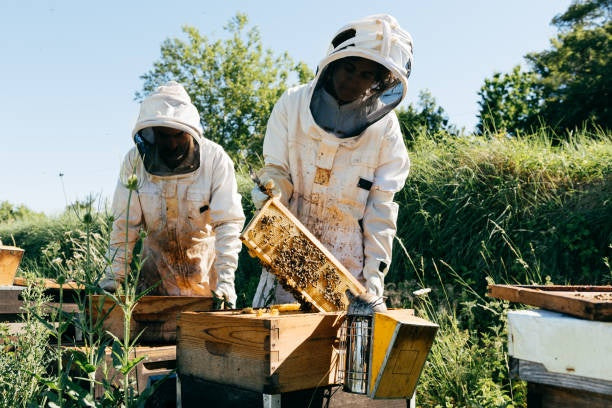
Beekeepers face many challenges, and getting stung while wearing protective gear can be one of the most frustrating. It is natural to think that wearing a bee keep suit will eliminate stinging incidents. However, this is not the case. Stings can and often will occur even when wearing high-quality protective gear.
At Safta Bee, a professional beekeeping business that provides bee suits, protective gloves, and other gear, we have woven the protective gear stings research into the design of our products. We believe that the more you know about why you are being stung, the easier it will be to overcome the problem.
In this piece we will break down the most common reasons beekeepers are stung and show you how to keep these incidents to a minimum.
1. Some of the Areas on Your Beekeeping Suit Are Too Tightly Fit.
As some bee keeping suits are tighter fitted on the elbows, knees, thighs, and back, the fabric is pushing directly on the skin. This type of compression decreases the distance a stinger may have to travel to make penetration.
What to do:
-
Find an appropriately sized bee keep suit that offers you space for movement
-
Avoid suits that are overly tight, but especially do so if you are planning to wear other clothes underneath it
-
Look for beekeeping suits that have been designed to have structured fabrics or multi-layered fabrics .
2. Poor Quality Materials or Wear
As time goes by, the fabric becomes weaker. Cheap, thin, or worn suits lose their sting resistance.
If your bee keep suit is old or washed a lot, it may not give the protection it used to.
What to do:
-
Conduct frequent inspections of your suit to identify fabric that may be thinning
-
Bee suits of older age should be replaced before the protection is compromised
-
Purchase and pack sting resistant suits that are of a higher quality and that are designed to provide a resistance against bee stings.
3. Bad ventilation increases bee aggression.
The excess heat and trapped sweat in your bee suit can create odors that increase bee defensiveness. Also, beekeepers who overheat become uncomfortable, and can start moving in ways that provoke bee stings.
What to do:
-
Make sure to wear ventilated suits.
-
Try to work in the early or late parts of the day when it's cooler, and make sure to stay hydrated.
-
If you're overheating, take a break.
4. Gaps and Entry Points
Bee sting suits offer varying degrees of protection, however, gaps, holes, and loose areas are very effective entry points. Bees have been known to crawl inside and sting from the inside, and some of the more common entry points are:
-
Loose zipper closures
-
Open gaps at the wrist and ankle from poor-fitting cuffs
-
Inadequate veil closures
Bees are able to get through your bee keep suit, and potentially, the best suits will be designed to have gaps and holes.
Things to keep in mind:
-
Malfunctions in suit design are often beyond your control, even in the best safety suits available.
-
Before every session, check all collar, ankle and wrist closures, and use elastic cuffs to keep them from happening again.
-
Make sure your veil is properly secured, and if needed, an additional veil.
5. Repeated stings in the same area
Consistent stings in one area mean that's the point where your bee keep suit is most likely weakest.
Potential reasons include:
-
Fabric construction using thinner textiles
-
Seams that are under stress
-
Areas subject to high compression
You can:
-
Seek out suits with reinforced construction in problem areas
-
Add your own padding in problem locations
-
Upgrade to a suit with more targeted reinforcements
6. The Importance of Behavior in Colonies
The effectiveness of bee keeper suits is not standard defense colonies can and will initiate stinging. The temperament of a hive is influenced by a number of factors including genetics, season and environmental stress.
What to do:
-
Remain calm.
-
Use a smoker
-
Aggressive colonies may need to be re-queened
How Safta Bee Helps Reduce Stings
At Safta Bee we create protective clothing with the actual conditions of the bee keep suit world in mind:
-
Long-lasting, sting resistant materials
-
Reinforced high risk areas
-
Construction that is comfortable, cool, and breathable
-
Secure closures and reinforced stitching
We have one simple aim, to make your bee keep suit work as hard as you do.
Conclusions
Getting stung through a bee keep suit should not be a reality beekeeping has to be painful and your suit has to be painful and your suit has to be painful and your suit has to be painful and your suit has to be painful and your suit has to be painful and your suit has to be painful and your suit has to be painful and your suit has to be painful and your suit has to be painful and your suit has to be painful and your suit has to be
Beekeeping can be made to feel practiced and designed
Share:
What are the Best Bee Suits for Hot US States like Texas, Florida, or California?
What are the reasons for the quick failure of elastic on some suits?